
 Insights
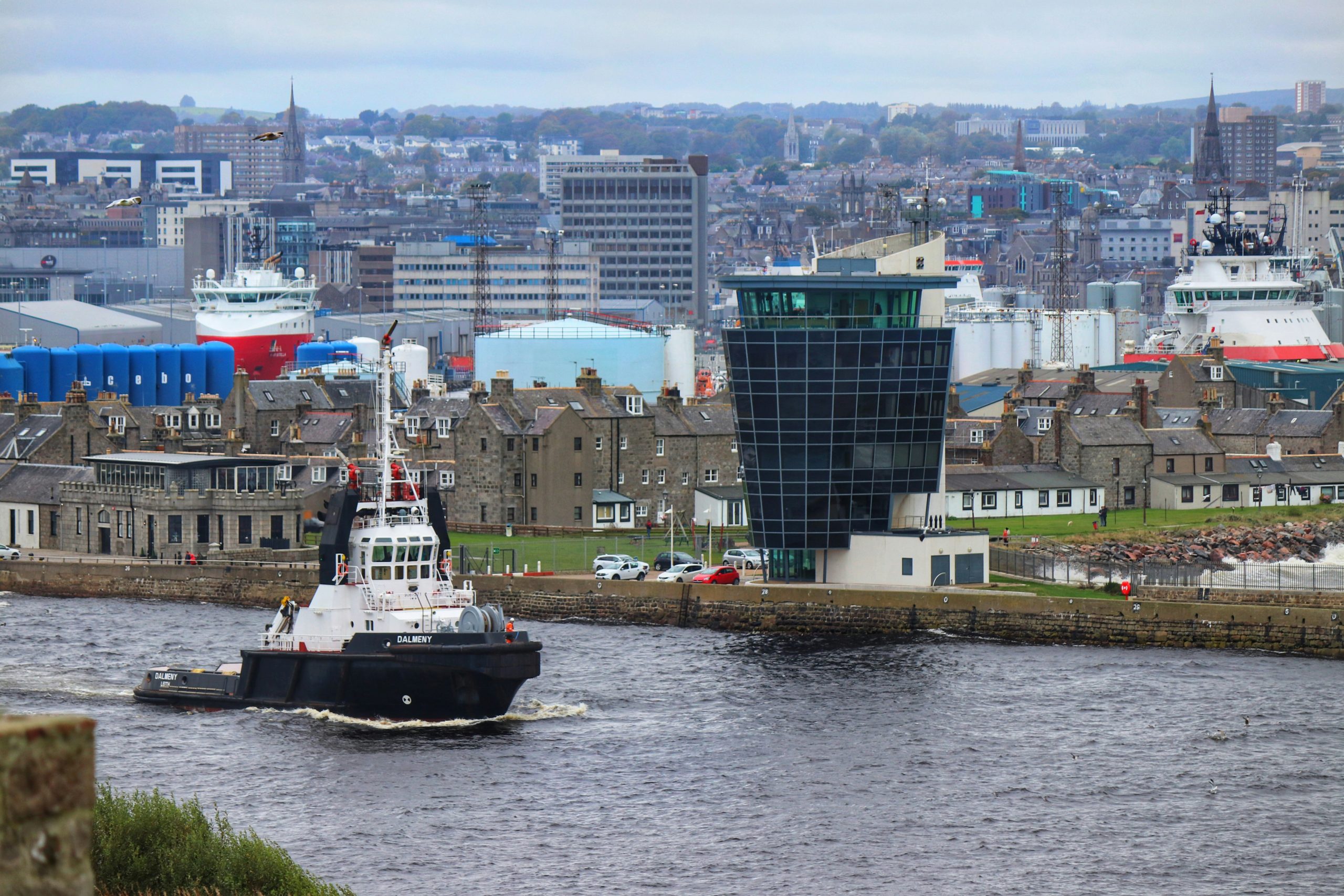
Businesses looking to invest in commercial property within Aberdeen’s Energy Transition Zone (ETZ) may be able to benefit from significant savings on Land and Buildings Transaction Tax (LBTT).
Under the Investment Zones Relief scheme, qualifying property purchases and leases may be eligible for full or partial relief.
But who qualifies for this relief, and what should businesses consider before making a claim?
Supporting investment in Aberdeen’s Energy Transition Zone
The Energy Transition Zone (ETZ) is Scotland’s largest dedicated energy transition complex, designed to reposition the North East of Scotland as a global leader in net-zero energy excellence. Spearheaded by ETZ Ltd, the regeneration initiative spans a 250-hectare site located adjacent to the new £420 million deep-water Aberdeen South Harbour.
Designed to breathe new life into Aberdeen’s industrial areas through the ETZ Property Improvement Fund, the initiative encourages refurbishment of vacant commercial spaces to high sustainability standards, attracting long-term tenants to help unlock millions in local investment in the region’s engineering and manufacturing sectors.
What LBTT relief is available?
The Aberdeen ETZ also offers full or partial relief from LBTT on qualifying property transactions via the Revenue Scotland Investment Zones Relief framework. This eliminates or significantly reduces LBTT on qualifying purchase or lease transactions to incentivise commercial development and green energy operations.
Full relief is available when at least 90% of the chargeable consideration (purchase price or rent) for the transaction relates to qualifying land on a designated Investment Zone tax site. Partial relief is available when at least 10% of the chargeable consideration relates to qualifying land within the Investment Zone site.
Who qualifies for relief?
To qualify for the relief, the ETZ site must be used for a particular purpose. Generally speaking, the buyer or a connected person must intend to:
- use the land for a commercial trade or profession
- develop or redevelop the land for a commercial trade or profession
- use the land to generate rental or other income from a commercial trade or profession
There are a number of exclusions to be considered, principally linked to the use of land for residential purposes or without an intention to develop.
Whether a development qualifies for relief will be assessed on a case-by-case basis. Factors considered include whether construction work has started or whether there is evidence of development activities being managed.
At the point of claim, a buyer or lessee might intend to use the land in a qualifying manner, for example, by developing it at some point within the next three years. Marketing a completed development or land in the process of development will be considered alongside other factors.
When could relief be withdrawn?
Relief may be withdrawn where land is not exclusively used in a qualifying manner during a period of three years or upon an earlier sale of the site.
There are, however, various exceptions to consider, and relief will not be withdrawn if unforeseen circumstances beyond the buyer or tenant’s control mean it is not reasonable to expect the land to be exclusively used in a qualifying manner. A failure to obtain the requisite planning consent or other statutory consents required for the proposed development is one example.
Likewise, relief will not be withdrawn if a qualifying use has not yet begun but reasonable steps are being taken to ensure that the land is used in a qualifying manner.
What should businesses consider before claiming relief?
Before making a claim for relief via Revenue Scotland, buyers and tenants must satisfy themselves that the relief is due. Care must be taken to ensure all qualifying criteria have been satisfied.
Any fraudulent arrangements concerning reliefs can be referred for criminal investigation or prosecution, and artificial arrangements concerning reliefs are likely to fall foul of the Scottish General Anti-Avoidance Rule.
Where LBTT Investment Zone relief is withdrawn, the original tax falls due with interest, a further tax return is required, and penalties may be imposed for late submission.
Should you have any queries regarding the acquisition or lease of commercial property and LBTT more generally, please do not hesitate to get in touch with Stronachs’ commercial property team here.